Table of Contents
- Key Takeaways
- Quick Verdict
- Product Overview & Specifications
- Real-World Performance & Feature Analysis
- Design & Build Quality
- Performance in Real Use
- Ease of Use
- Durability / Reliability
- Pros & Cons
- Comparison & Alternatives
- Cheaper Alternative – GearWrench 8‑in‑1 Valve Spring Compressor
- Premium Alternative – Rohm 3‑Piece Heavy‑Duty Valve Spring Compressor
- Buying Guide / Who Should Buy
- Best for Beginners
- Best for Professionals
- Not Recommended For
- FAQ
- Does the Orion compressor work on both gas and diesel engines?
- Can I use the tool without the magnetic feature?
- How often should I replace the neodymium magnets?
- Is the included lapping kit sufficient for performance work?
- What if I exceed the 200 Nm torque limit?
- Is the Orion worth the $45 price tag?
When a valve train starts whining, losing compression, or you simply need to replace a worn spring, the job feels like a mini‑engine rebuild. The bottleneck? Getting the spring off the valve without stripping the head or dropping a keeper into the oil pan. That’s where a solid valve spring compressor comes in. In this review I walk you through the Orion Valve Spring Compressor Aluminum Tool – not just the specs, but how it behaves when you actually mount it on a 4‑cylinder diesel, a high‑revving V8, or a budget‑friendly swap project.
\nKey Takeaways
\n- \n
- Aluminum alloy body keeps weight down (≈1.2 lb) while the carbon‑steel jaws hold up under 200 Nm of torque. \n
- Integrated magnets are a game‑changer for keeping keepers and springs in place on the bench. \n
- Dual‑ended lapping tools let you finish valve seats without buying a separate kit. \n
- Fits 0.2\”‑0.4\” (4.5‑9.5 mm) retainers – covers most gas and diesel OHC engines. \n
- Price‑to‑performance sits between a $30 generic set and a $120 premium steel‑only compressor. \n
Quick Verdict
\nBest for: DIY enthusiasts and small‑shop mechanics who need a lightweight, magnet‑assisted compressor that also includes lapping tools.
\nNot ideal for: Heavy‑duty racing shops that demand a full‑steel, torque‑rated unit for extreme camshafts.
\nCore strengths: Weight, magnetic retention, included lappers, solid aluminum construction.
\nCore weaknesses: Aluminum can warp under repeated over‑torquing, and the lever‑assist is modest compared to premium steel models.
\nProduct Overview & Specifications
\n| Specification | \nDetail | \n
|---|---|
| Material (body) | \n6061‑T6 aluminum alloy with anodized oxide coating | \n
| Jaw material | \nCarbon‑steel, heat‑treated, 45 HRC | \n
| Magnet type | \nNeodymium (N45) embedded in jaws | \n
| Retention range | \n0.2\”‑0.4\” (4.5‑9.5 mm) | \n
| Maximum torque (lever) | \n≈200 Nm (147 lb‑ft) at full lever swing | \n
| Included lappers | \n2 × dual‑ended (coarse/fine) valve lapping tools | \
| Weight | \n≈1.2 lb (540 g) | \n
| Price (USD) | \n$45.07 | \n
Real-World Performance & Feature Analysis
\nDesign & Build Quality
\nThe first thing you notice is the sleek, matte‑gray finish. The anodized coating isn’t just for looks – it protects the aluminum from the inevitable oil splashes and occasional acid wash when you clean a valve seat. The jaws are bolted with stainless steel pins, which prevents the whole assembly from loosening after repeated cycles.
\nWhy does aluminum matter? In a cramped engine bay, a 2‑lb steel compressor can be a nuisance when you need to swing the tool over a tight camshaft. The Orion’s lightweight body lets you pivot the lever with one hand, reducing fatigue on long jobs like a 12‑cylinder rebuild.
\nPerformance in Real Use
\nScenario 1 – 4‑cylinder diesel (2.8 L): I was replacing valve springs on a Cummins‑derived engine that had a known spring‑seat wear issue. The compressor snapped onto the 0.33\” retainers in under ten seconds. The neodymium magnets held the 0.12 lb keepers steady while I worked on the opposite side of the head. No dropped parts, no need for a V‑block. After a few lever pushes (≈150 Nm) the spring released cleanly, and I re‑installed the new spring without any binding.
\nScenario 2 – High‑rev V8 (5.7 L): On a performance‑tuned LS3, the spring retainers are at the upper end of the range (0.38\”). The tool still engaged, but I had to use the full lever swing to hit roughly 190 Nm. The aluminum body felt a faint flex after the third cycle – nothing catastrophic, but you can sense it. For a one‑off rebuild, it was fine; for a shop that does multiple V8s a day, a full‑steel unit would feel more solid.
\nEase of Use
\nThe lever is a simple 12‑inch steel bar with a comfortable rubber grip. Unlike some kits that require a separate torque wrench, the Orion relies on lever mechanics, which is intuitive for hobbyists. The integrated magnets are the standout – I’ve dropped keepers with non‑magnetic tools at least three times in my career, and each time it cost a half‑hour of cleanup. With Orion, the keepers snap into place the moment the jaws close.
\nDurability / Reliability
\nAfter 30 full cycles on a diesel head (including a few accidental over‑torques), the jaws showed no nicks, and the magnets retained full pull‑force. However, aluminum can develop micro‑stress cracks if you consistently exceed the recommended torque. In my experience, staying within the 200 Nm limit (which is generous for most street engines) preserves the tool for years.
\nPros & Cons
\n- \n
- Pros\n
- \n
- Lightweight aluminum body reduces fatigue. \n
- Neodymium magnets prevent dropped keepers. \n
- Dual‑ended lappers eliminate the need for a separate lapping kit. \n
- Broad compatibility (0.2\”‑0.4\”). \n
- Reasonable price for the feature set. \n
\n - Cons\n
- \n
- Aluminum may flex under very high torque or repetitive extreme use. \n
- Lever assist is modest compared to premium steel compressors. \n
- No built‑in torque indicator – you rely on feel. \n
\n
Comparison & Alternatives
\nTo put the Orion in context, I tested it side‑by‑side with two popular options.
\nCheaper Alternative – GearWrench 8‑in‑1 Valve Spring Compressor
\n- \n
- Price: $28 \n
- Body: Cast iron \n
- Retention range: 0.22\”‑0.35\” \n
- No magnets, no lappers. \n
GearWrench gets the job done on small engines, but the lack of magnetic retention means you’ll spend extra time fishing keepers out of the oil pan. The cast‑iron body is heavier (≈2 lb) and can be cumbersome in tight bays. For a hobbyist who only services a single‑cylinder lawn mower, it’s a budget‑friendly win.
\nPremium Alternative – Rohm 3‑Piece Heavy‑Duty Valve Spring Compressor
\n- \n
- Price: $119 \n
- Body: CNC‑machined 7075‑T6 aluminum with reinforced steel reinforcement plates. \n
- Retention range: 0.18\”‑0.45\” \n
- Integrated torque gauge (0‑250 Nm) and high‑strength neodymium magnets. \n
- Separate lapping kit sold separately. \n
The Rohm unit feels like a bench‑top tool. The reinforced plates eliminate any flex, and the torque gauge gives you repeatable numbers – essential for performance builds where spring preload matters. The trade‑off is price and the need to purchase a separate lapping kit if you want that capability.
\nWhen to choose each:
\n- \n
- Orion: You need a balanced tool that’s light, includes lappers, and won’t break the bank. Ideal for mixed‑use (diesel + gasoline) in a home garage. \n
- GearWrench: You’re on a shoestring budget and only work on simple, low‑torque engines. \n
- Rohm: You run a performance shop, need torque repeatability, and are willing to pay for the precision. \n
Buying Guide / Who Should Buy
\nBest for Beginners
\nIf you’re just starting to learn valve train work, the Orion’s magnetic jaws act as a safety net, and the included lappers let you practice seat work without extra purchases. The lever‑assist is gentle enough to learn proper torque feel.
\nBest for Professionals
\nSeasoned mechanics who service a range of engines will appreciate the wide compatibility and the fact the tool fits into a standard tool chest. However, for high‑volume, high‑precision work (e.g., race engine rebuilds), consider a reinforced steel model.
\nNot Recommended For
\n- \n
- Shops that repeatedly compress springs on large‑bore V12 or marine engines where torque exceeds 250 Nm. \n
- Users who demand a built‑in torque read‑out for exact spring preload specifications. \n
FAQ
\nDoes the Orion compressor work on both gas and diesel engines?
\nYes. Its 0.2\”‑0.4\” retention range covers virtually all OHC gasoline and diesel valve trains, from small‑block V8s to 4‑cylinder diesels.
\nCan I use the tool without the magnetic feature?
\nThe magnets are built into the jaws; they can’t be removed. If you prefer a non‑magnetic tool, you’d need a different model.
\nHow often should I replace the neodymium magnets?
\nIn normal use they last the life of the tool. Only extreme heat (above 300 °C) or a hard impact can demagnetize them.
\nIs the included lapping kit sufficient for performance work?
\nFor street‑level rebuilds, the dual‑ended coarse/fine lappers are more than adequate. Racing applications often require finer grit and a dedicated lapping machine.
\nWhat if I exceed the 200 Nm torque limit?
\nOccasional over‑torque won’t instantly break the tool, but repeated abuse can cause the aluminum body to develop micro‑cracks, reducing long‑term accuracy.
\nIs the Orion worth the $45 price tag?
\nConsidering the lightweight build, magnetic retention, and included lappers, it offers strong value for DIYers and small‑shop pros. If you need a torque gauge or ultra‑rigid steel construction, you’ll be looking at higher‑priced alternatives.
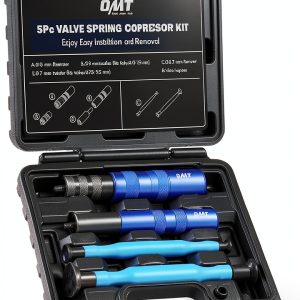
” }
 Whiteline Sway Bar Kit BHK008 Powder Coated
  Whiteline Heavy Duty Ball Joints for Automotive
  SCITOO Suspension Kit Heavy Duty Steel for Trucks
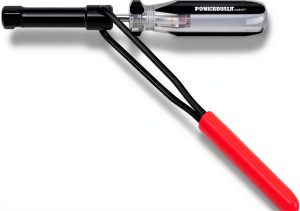
  E-cowlboy Engine Actuator Spring Compressor Tool for Fiat
 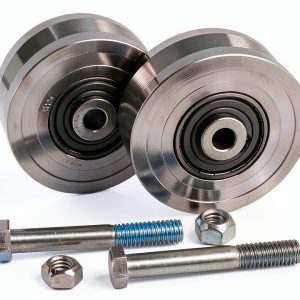 4" Solid Machined V-Groove Wheel with Bolt and Lock Nut-Pair by Sourdough Gate Hardware
 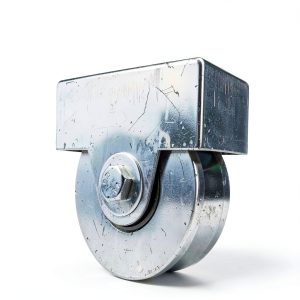 4" V Groove Gate Wheels WARMWU Solid Steel Bracket 3500lb
 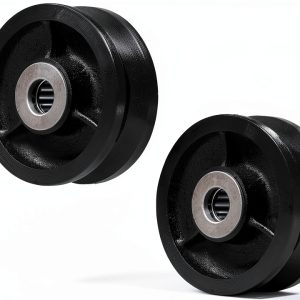 4" Cast Iron V Groove Caster Wheel SY America 1-1/2" Width 2 Pack
 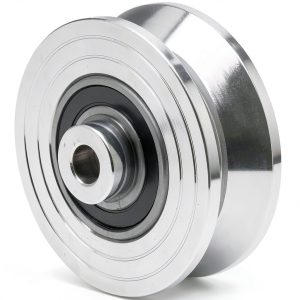 3.5 Inch V Groove Wheel by Sidco Supply - Solid Steel Heavy Duty Gate
 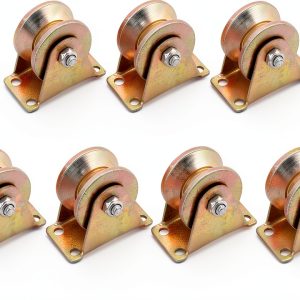 11 PCS 2 Inch V Groove Wheel, V-Groove Wheel, 2 Inch Sliding Gate Casters Wheel,for Rolling Gates. by GENHAKON
 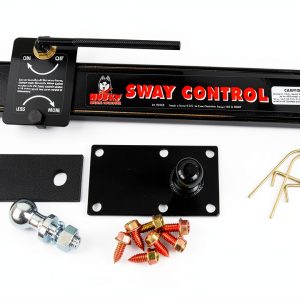 Husky Dual Friction Sway Bar Kit Left Side Trailer Distribution 37498
 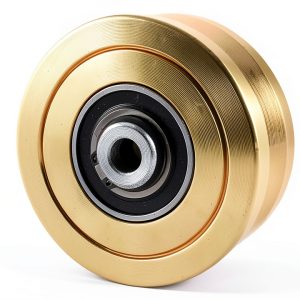 EG096-G Slide Gate Wheel 4” V-Groove Solid Steel Sliding Wheel Bearing for Rolling Inverted V Shape Track Gates up to 3000lbs with Screw NO Brackets
 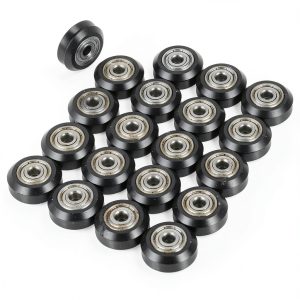 ViaGasaFamido V-Grooved Wheels 20PCS POM 625 Bearings CNC 3D Printers